
How Hacking Became a Weapon
From a 75-cent error in a California lab to fridges set alight in France: forty years of hacking, and the same few doors.
From a 75-cent error in a California lab to fridges set alight in France: forty years of hacking, and the same few doors.
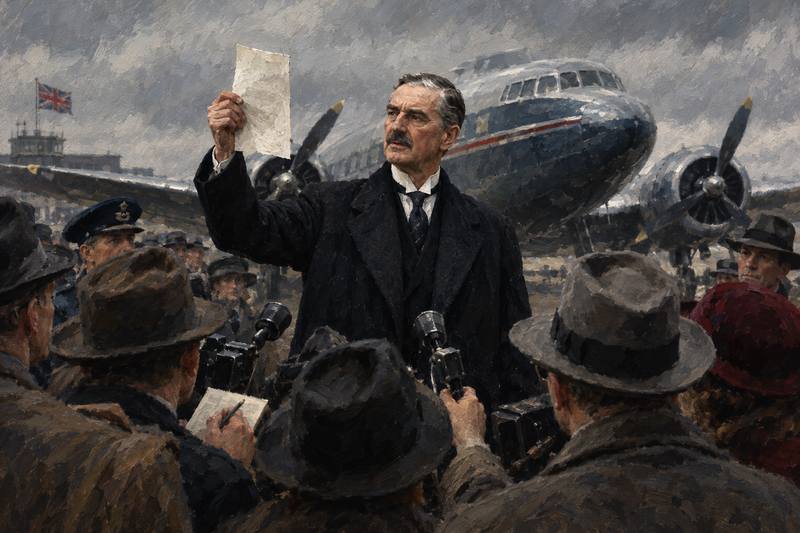
Three times Britain rearmed against a rival power, and twice it ended in world war: what made the difference, and what it means now.
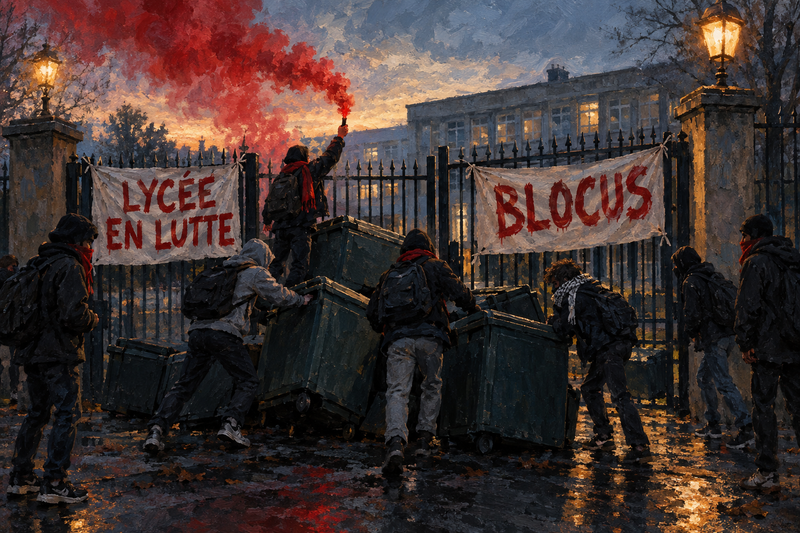
How a school blockade near Paris became part of a wave of protest across seven European countries, and what history suggests happens next.
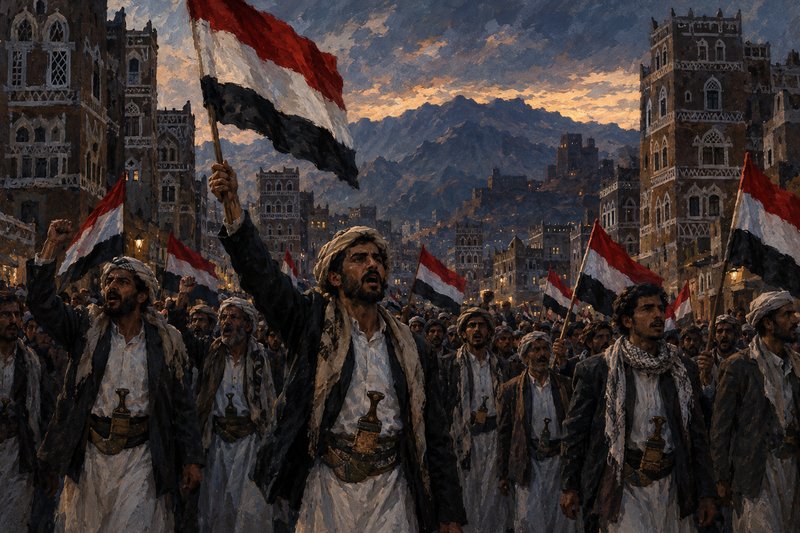
How the Houthis rose from northern Yemen's religious revival to seize Sanaa and challenge Saudi Arabia and Red Sea shipping.
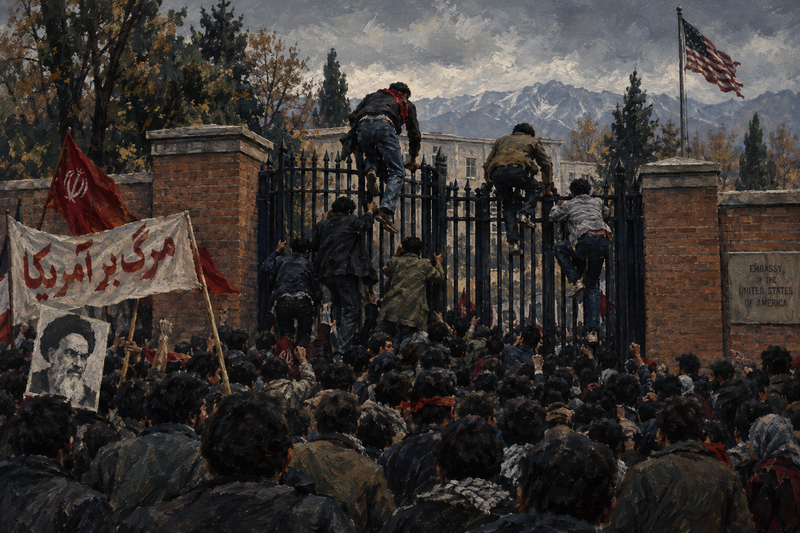
In 1953, the US helped topple Iran's prime minister. Everything since has been shaped by what happened next.
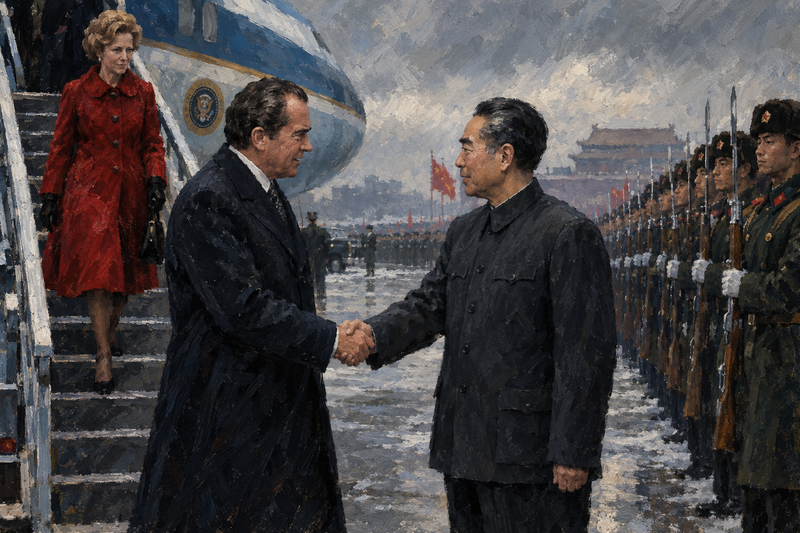
Nixon's handshake in 1972 opened the door. Fifty years on, neither side can do without the other, or trust it.
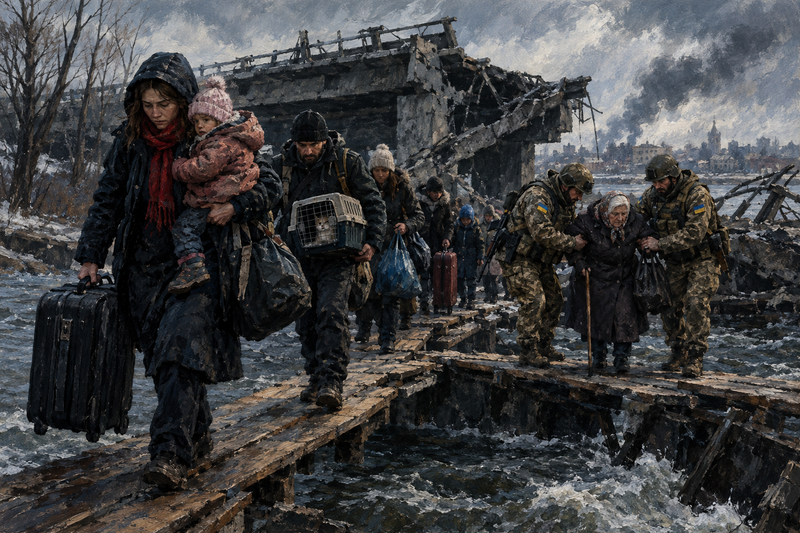
The full-scale invasion began in 2022. The war didn't.
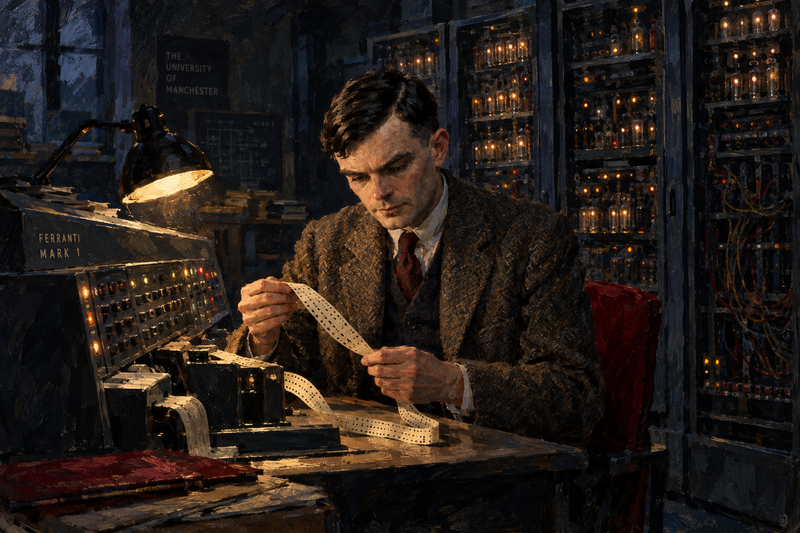
In 1950, Alan Turing asked whether machines could think. Today the question is who controls them.
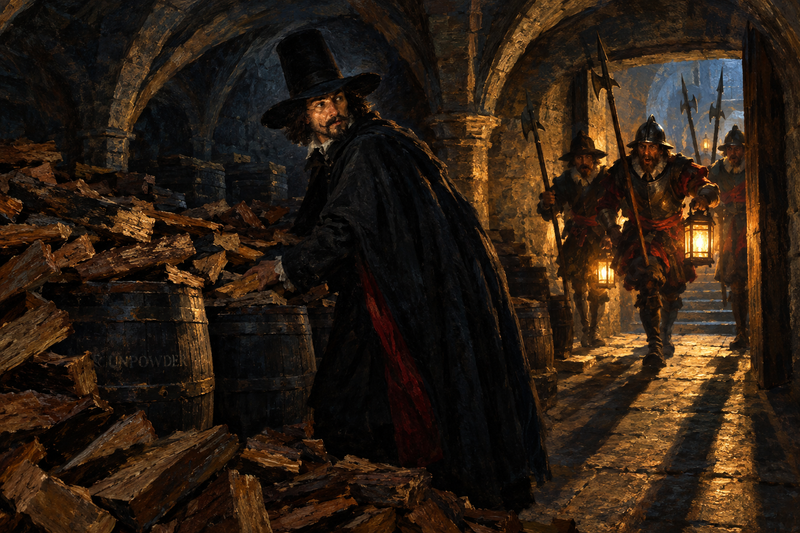
Why Catholic plotters tried to blow up the King and Parliament in 1605, how they were caught, and why Britain still lights the fires.
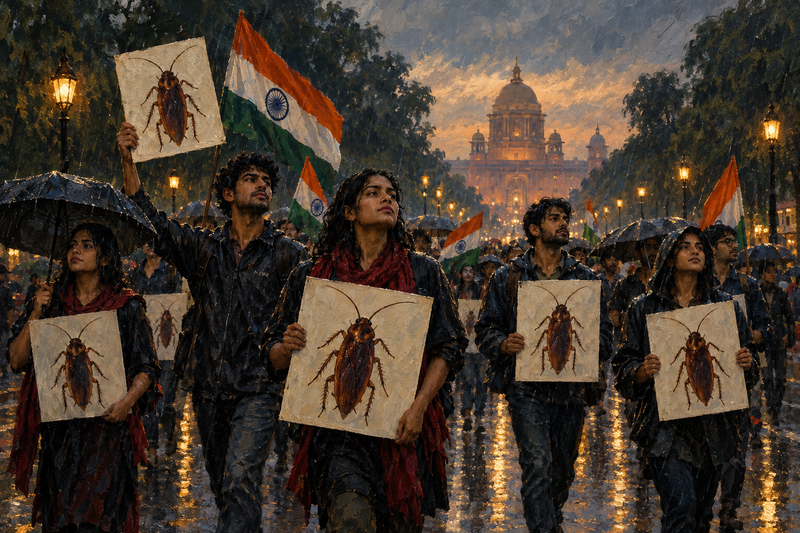
How a judge's word, 'cockroaches', became the name of a youth movement now confronting India's Election Commission.
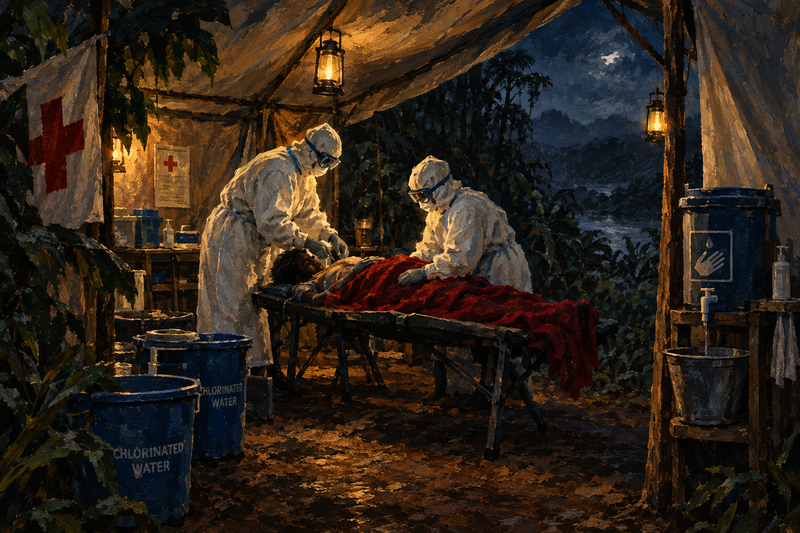
Ebola has caused repeated outbreaks since 1976; the 2026 Bundibugyo epidemic shows why species, vaccines and cross-border surveillance matter.
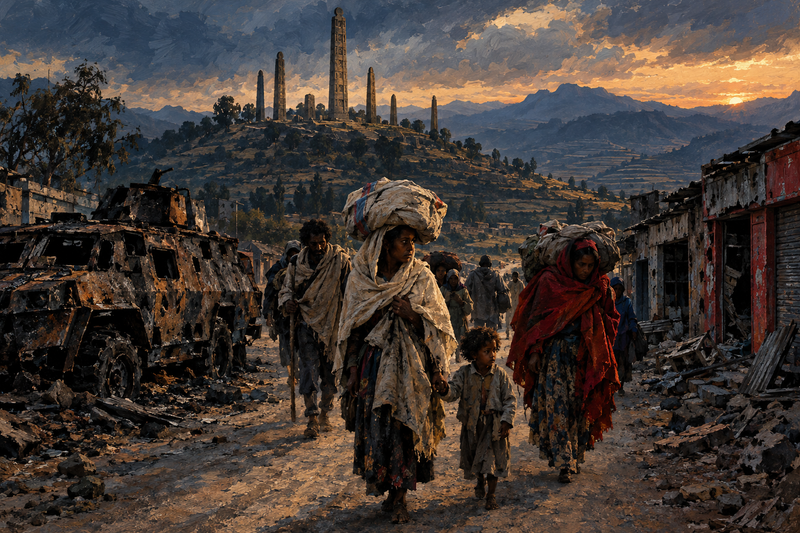
The Tigray conflict grew out of Ethiopia's federal power struggle, became a devastating war involving Eritrea, and was paused by the 2022 Pretoria agreement without resolving several of the disputes beneath it. Renewed fighting in 2026 has exposed those unfinished questions and changed the regional alliances around them.
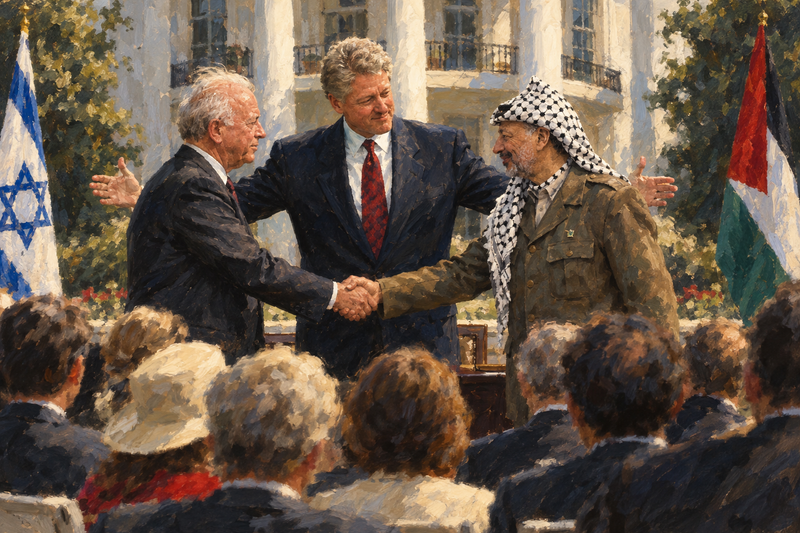
Two peoples claim the same land. Three dates explain why the conflict has lasted a century.